
WHAT IS AGING OUT of foster care?
“Aging Out” is the term used when a young person in foster care reaches the legal age—typically 18 or 21—when they are no longer eligible for state support or services.
The state of Texas starts preparing youth for the Aging Out at 14 years old, as the likelihood of joining a family is nearly zero. Without being adopted or reunited with their biological family, these youth are expected to transition into adulthood on their own, often without the safety net of stable housing, guidance, or community.
Aging Out can be overwhelming and isolating, which is why organizations like DIRECTION61:3 step in to offer mentoring, housing, life-skills training, and the love of Christ—so no young adult has to face life alone.
Homecoming or Homeless?
Imagine this:
It’s senior year of high school. You’re keeping up with your grades, hanging out with friends, attending football games and dances. You just got your senior photos done.
But tomorrow you turn 18, and you’re going to be homeless.
That is the experience of thousands of foster teens every single year. Their life is turned upside down because of a date on the calendar.
You can imagine what instant homelessness of a teenager leads to… poverty, trafficking, crime, unplanned pregnancy, addiction.
Here are some real-life stories of what Aging Out is like:
You can help change the cycle of Aging Out.
DIRECTION61:3 is a ministry that helps foster teens who are aging out of the foster care system transition into adulthood.
Your generous support can help boys and girls age 14 and up become independent young men and women.
Just $25/month can help a foster teen:
- Have a safe home
- Stay warm and fed
- Get transportation
- Attend weekly life skills training
- Plan their future
Join the movement to empower foster teens into adulthood.
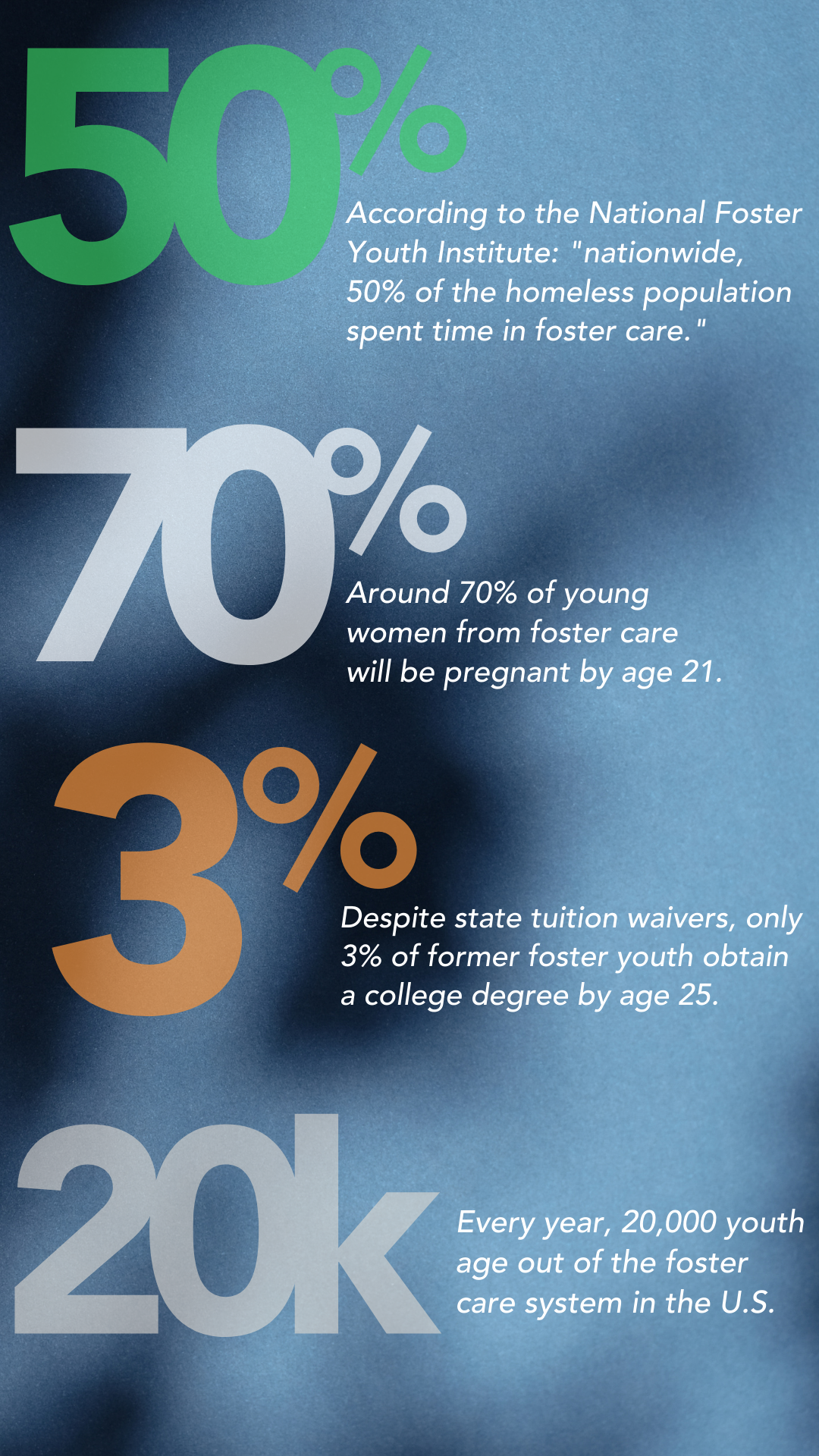
Statistics on foster care youth aging out
How to help youth aging out of foster care:
When youth age out of foster care—often at 18—they’re expected to navigate adulthood alone, without the support of a stable family. The transition can be overwhelming, but with the right community around them, they can thrive. At DIRECTION61:3, we believe every young adult deserves belonging, purpose, and guidance. There are many ways you can be part of this life-changing mission.
Support foster care non profit organizations
Faith-based nonprofits like DIRECTION61:3 provide the critical support teens need as they exit the foster care system—safe housing, life-skills training, mentorship, and spiritual guidance. Your financial gifts directly impact young lives by funding these programs and creating long-term solutions to prevent homelessness, isolation, and poverty.
Become a house parent
If you have a heart for hospitality and mentorship, becoming a house parent might be your calling. House parents live in a shared residence with a small group of youth and serve as role models, offering stability, spiritual encouragement, and life guidance during a pivotal season of transition.
Volunteer as a mentor or respite sitter
Building consistent, trusting relationships is one of the most powerful ways to support foster youth. As a mentor or respite sitter, you’ll offer emotional support, practical help, and Christ-like presence—helping teens know they’re not alone and that they are deeply valued.
Donate a vehicle
Reliable transportation opens doors to employment, education, and independence. Through our Kingdom Cars initiative, you can donate a used vehicle or funds toward a car, empowering a young adult to get to work, school, and appointments safely and confidently.
Become a partner church or company
Churches and companies have a unique opportunity to rally around foster youth through service, sponsorship, prayer, and employment pathways. By becoming a partner, your organization invests in lasting transformation—helping these young adults step boldly into God’s purpose for their lives.
Foster Youth Aging Out FAQ
Yes—while direct donations to individual foster kids are restricted, you can support trusted nonprofits like DIRECTION61:3 that provide housing, mentorship, education, and spiritual care to youth aging out of foster care.
Foster youth need consistent relationships, emotional support, safe housing, life-skills training, and—most importantly—a sense of belonging and purpose rooted in love and stability.
You can help by volunteering, mentoring, donating, becoming a foster or respite parent, or supporting faith-based nonprofits like DIRECTION61:3 that walk with youth during their transition to adulthood.
When youth age out, often at 18 or 21, they lose state support and must navigate housing, jobs, and adulthood on their own—many without the safety net of a permanent family or community.
Youth aging out of foster care often face housing instability, unemployment, and emotional challenges, which is why transitional support and mentoring are critical for long-term success.
Each year, approximately 20,000 youth age out of the U.S. foster care system without being reunified or adopted—roughly 8–10% of those in care.
Support programs like DIRECTION61:3 that provide mentoring, housing, job readiness, and Christian community to equip foster youth for independent, purpose-filled lives.
Aging out means a youth reaches the legal age limit—typically 18 to 21—without being adopted or reunited with family, and is no longer in state custody or care.
Studies show that 20% to 30% of youth who age out of foster care experience homelessness within their first year on their own.
The aging out process involves a youth transitioning from state-supported foster care to independent living, often with little preparation or support unless they’re connected to organizations like DIRECTION61:3.
Being aged out means a youth has reached adulthood while in foster care, but without a permanent family—facing adulthood alone unless supported by community and transitional programs.
DIRECTION61:3 is one of the few faith-based nonprofits focused specifically on youth aging out of foster care, offering long-term support, housing, mentoring, and a sense of family.
Common challenges include homelessness, lack of education, unemployment, trauma, and isolation—especially for those without ongoing relational or spiritual support.
Around 1 in 5 foster youth experience homelessness within 12 months of aging out, often due to a lack of stable housing, support systems, or job access.